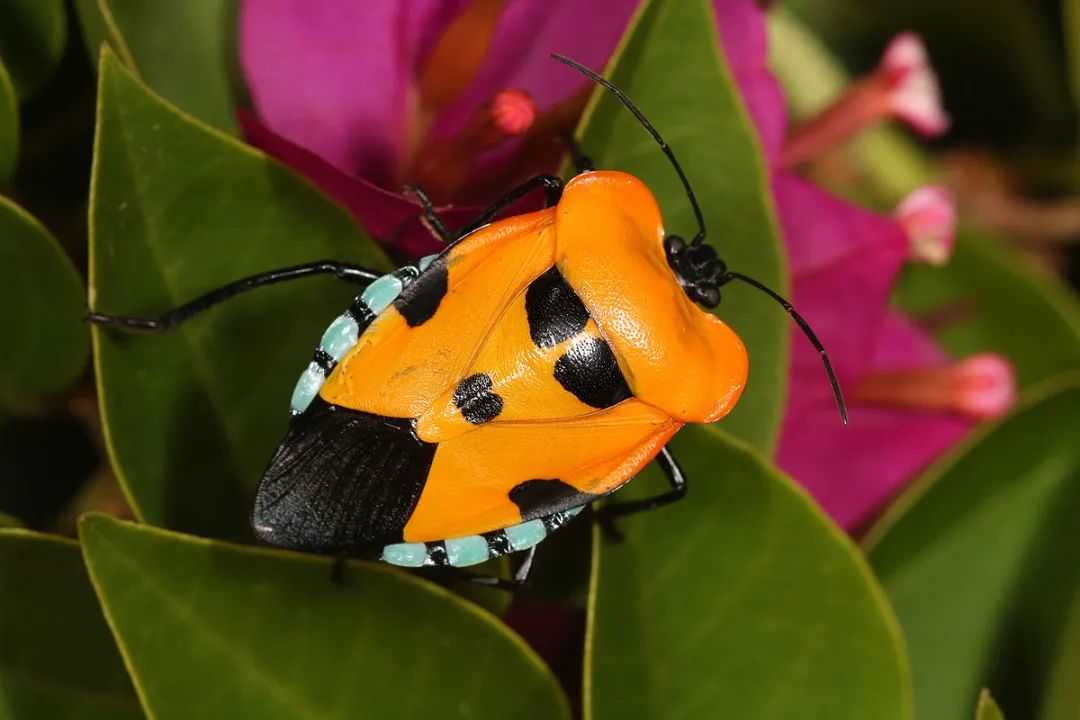
Hemiptera: The Diverse 'True Bugs' Shaping Ecosystems and Human InteractionsHemiptera: The Diverse 'True Bugs' Shaping Ecosystems and Human Interactions
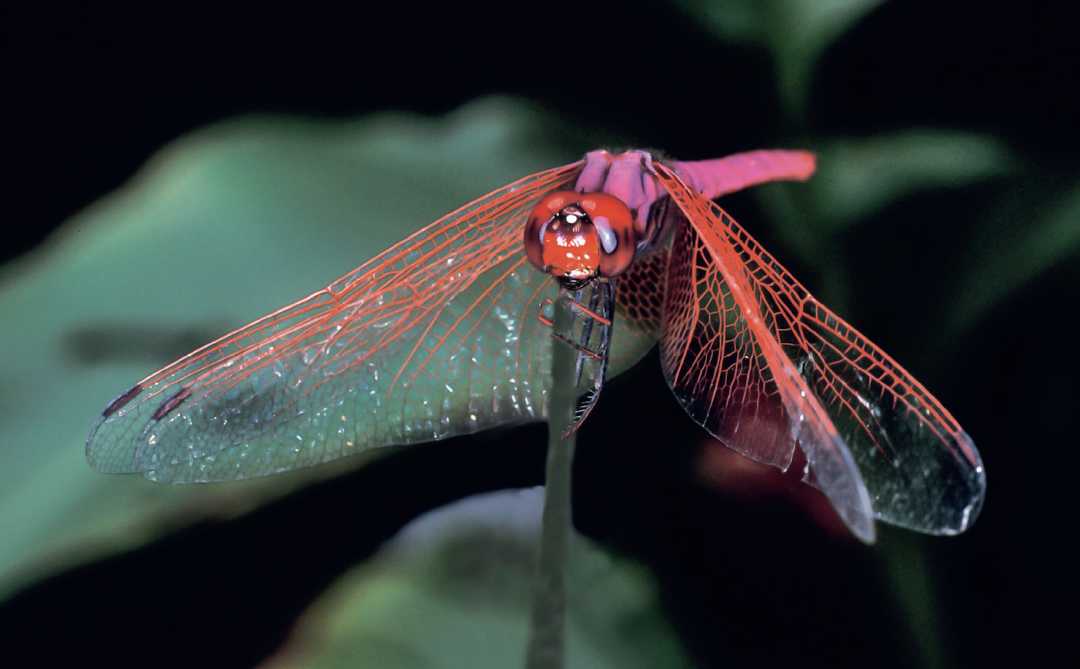
Pink Dragonfly Defies Odds: The Vibrant Trithemis aurora Shines in Nature's PalettePink Dragonfly Defies Odds: The Vibrant Trithemis aurora Shines in Nature's Palette
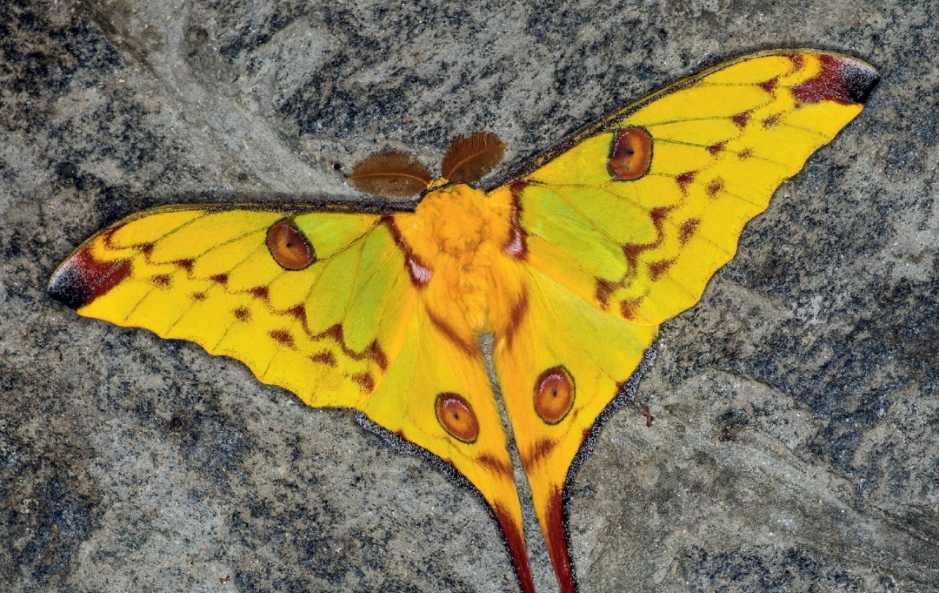
Argema mittrei: Madagascar's Majestic Comet Moth with Dazzling Tail TrailsArgema mittrei: Madagascar's Majestic Comet Moth with Dazzling Tail Trails
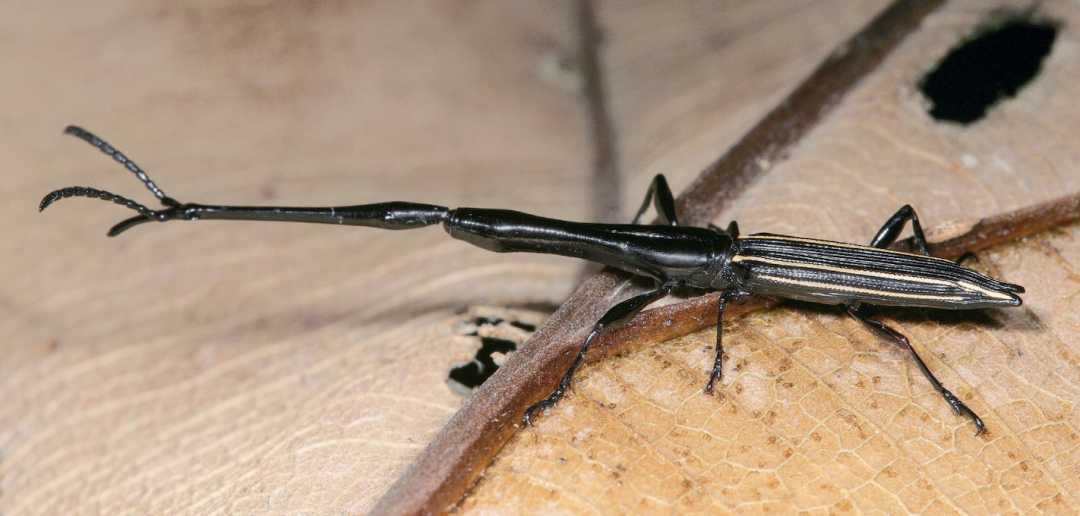
Costa Rica's Slender Weevil: The Three-Cone Beetle with a Remarkable Elongated SnoutCosta Rica's Slender Weevil: The Three-Cone Beetle with a Remarkable Elongated Snout
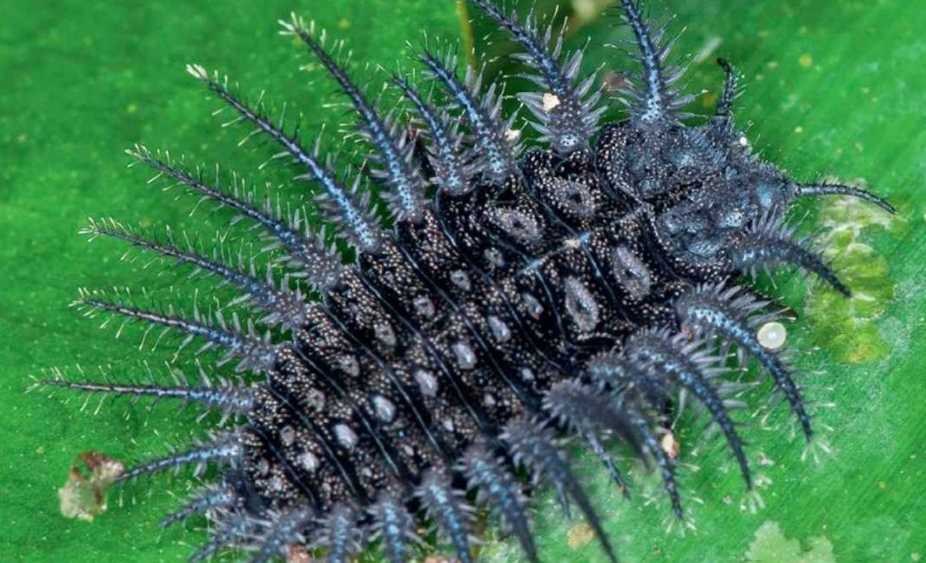
Spiky Larva of the False Ladybug Family Feeds on Fungi in Madagascar's RainforestsSpiky Larva of the False Ladybug Family Feeds on Fungi in Madagascar's RainforestsIn the lush rainforests of Madagascar, a larva covered in stiff, protruding spines catches the eye. Belonging to the false ladybug family (Endomychidae), this intriguing insect sports an armor of sharp projections, a striking adaptation that sets it apart in the tropical undergrowth. Far from its adult form’s resemblance to ladybugs, the larva’s spiky exterior serves both as protection and a unique identifier in the fungal-rich ecosystem.
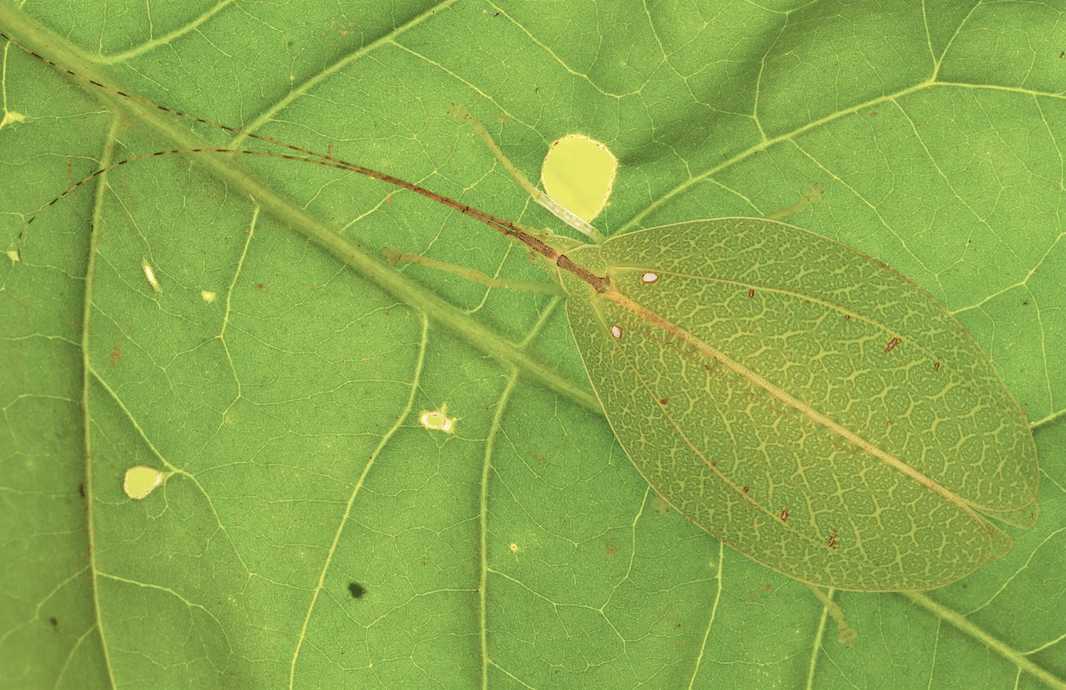
Acauloplax exigua: Mozambique's Leaf-Mimicking Katydid Blends Seamlessly with FoliageAcauloplax exigua: Mozambique's Leaf-Mimicking Katydid Blends Seamlessly with FoliageAmong the many insects that mimic leaves, the Mozambican katydid Acauloplax exigua stands out for its evolutionary mastery of camouflage. This tree-dwelling orthopteran boasts a flattened body so perfectly adapted to leaf mimicry that it vanishes against greenery, its veins and coloration mirroring the texture and hue of tropical foliage. The result is a living illusion—an insect that becomes one with its habitat at a glance.
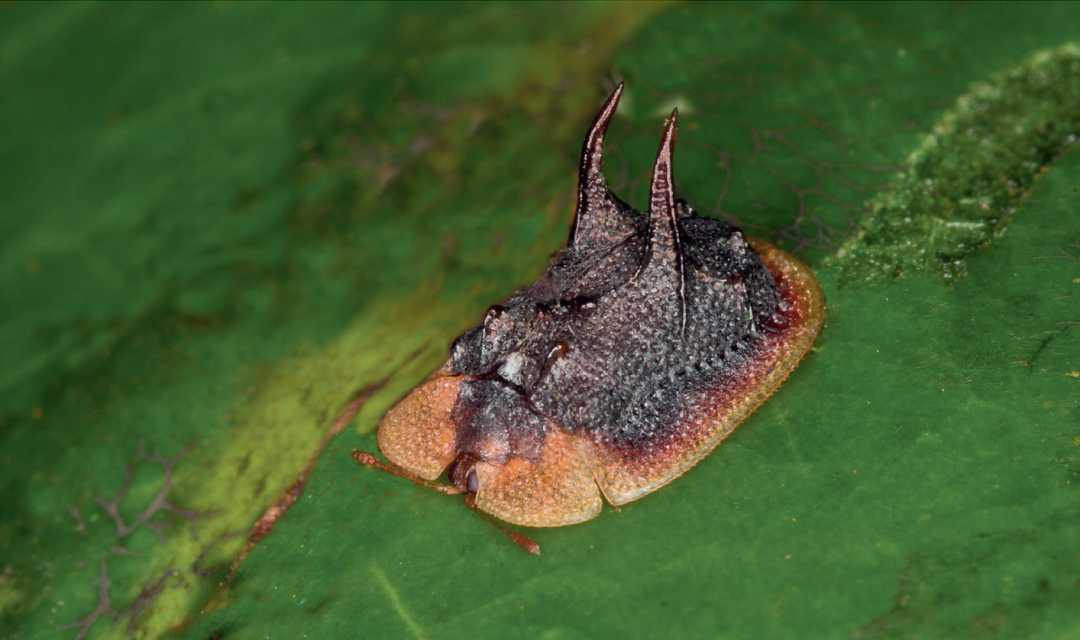
Madagascar's Demon-Horned Tortoise Beetle: A Bizarre Beauty with Fiery ProjectionsMadagascar's Demon-Horned Tortoise Beetle: A Bizarre Beauty with Fiery ProjectionsIn the realm of beetles, those adorned with devilish horns are a rarity, but a unique tortoise beetle from Madagascar defies expectations with its otherworldly appearance. This extraordinary insect sports two prominent, curved spikes on its elytra, resembling miniature demon horns that rise from its back. The contrast between its armored, domed shell and these fiery projections creates a bizarre yet captivating silhouette, making it a standout in the island’s diverse ecosystems.
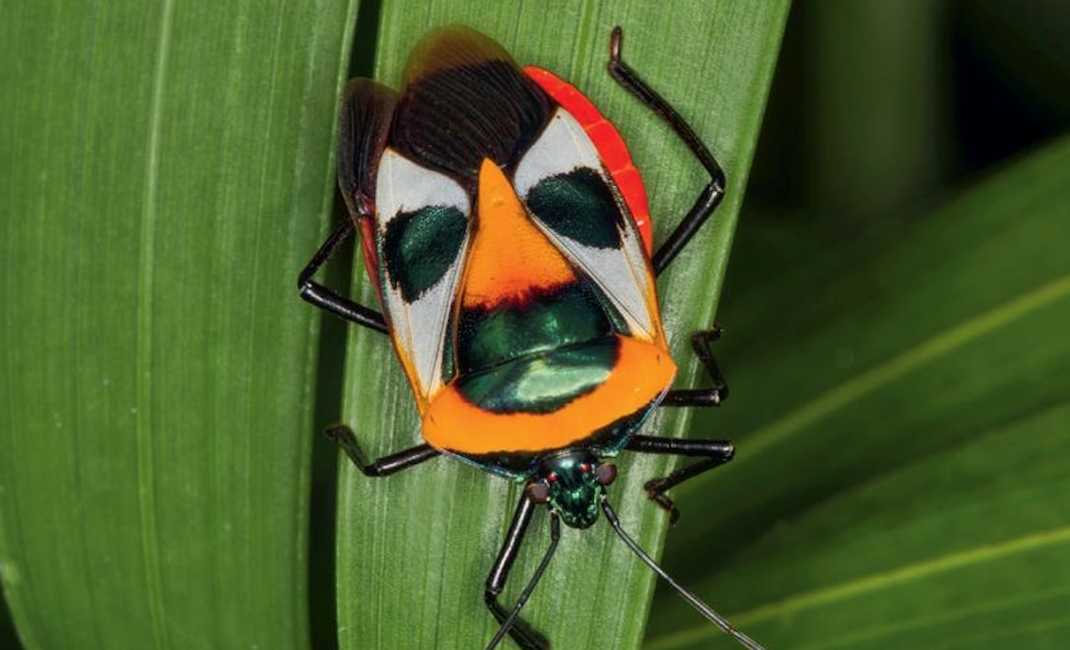
Catacanthus incarnatus: The Mesmerizing 'Human-Faced' Bug with Dazzling PatternsCatacanthus incarnatus: The Mesmerizing 'Human-Faced' Bug with Dazzling PatternsAmong stink bugs, Catacanthus incarnatus stands alone with its striking markings and uncanny mimicry of a human face. The insect’s thorax and abdomen feature a pattern resembling eyes, a nose, a mouth, and even a defined hairline, creating a surreal illusion that captivates and startles in equal measure. Its vivid red and black coloration only amplifies the effect, making it one of nature’s most extraordinary examples of mimicry.
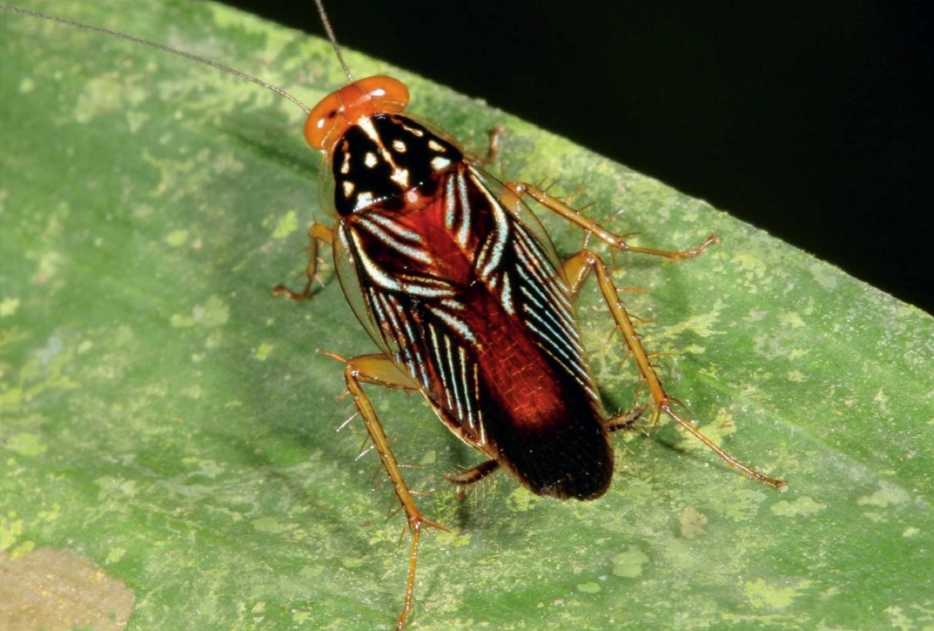
Euphyllodromia sp.: Central America's Colorful Cockroach Mimics Bees with Dazzling DeceptionEuphyllodromia sp.: Central America's Colorful Cockroach Mimics Bees with Dazzling DeceptionWhile cockroaches are typically associated with drab black or brown tones, Euphyllodromia sp. from Central America shatters this stereotype with its vibrant appearance and remarkable mimicry. This tropical cockroach has evolved to resemble local bees, boasting bold yellow and black patterns on its pronotum and wings—a design that stands as a masterclass in Batesian mimicry.
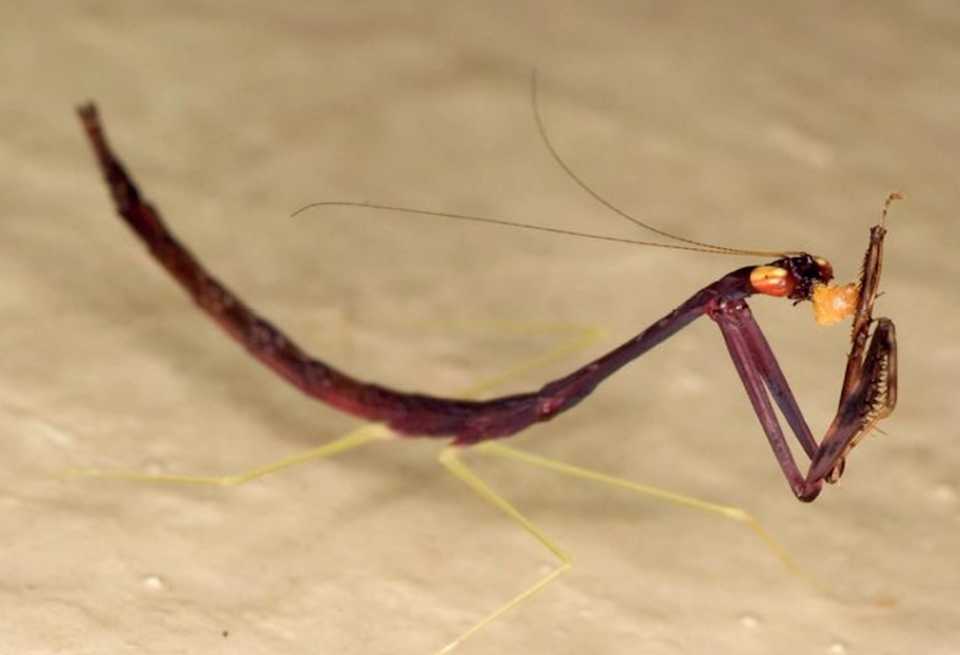
The Slender Stick Mantis of Borneo: A Peculiar Predator in the Mantid WorldThe Slender Stick Mantis of Borneo: A Peculiar Predator in the Mantid WorldFrom the rainforests of Borneo (Kalimantan Island) emerges a mantis so 纤细 (slender) it resembles a twig, standing as one of the most extraordinary members of the mantid order. With a body as thin as a bamboo shoot, this mantis has evolved an extreme morphology—its elongated legs and narrow thorax allowing it to blend seamlessly with vegetation, but also imposing strict limitations on its hunting strategy.
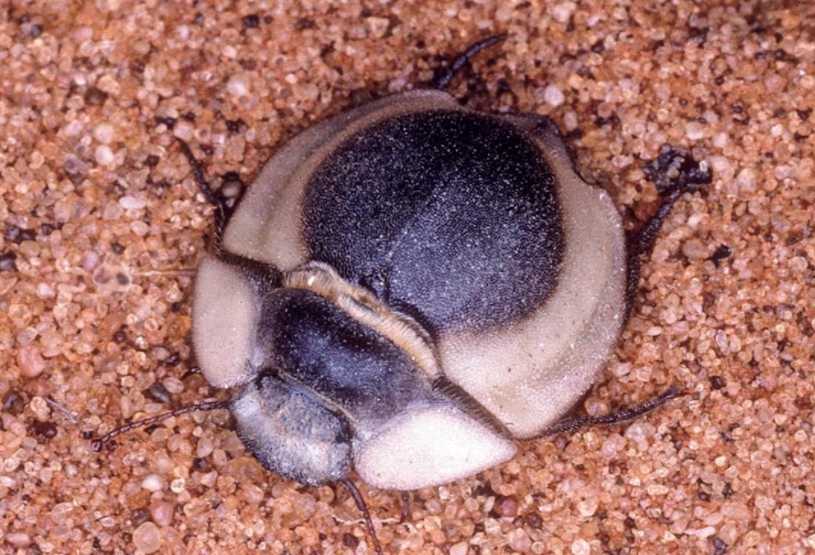
Lepidochora discoidalis: The Desert Beetle That Harvests Fog for SurvivalLepidochora discoidalis: The Desert Beetle That Harvests Fog for SurvivalAs a master of arid adaptation, Lepidochora discoidalis thrives in desert environments by transforming its body and behavior into a living water collection system. This sleek, disc-shaped beetle, native to arid regions, has evolved a glossy exoskeleton that minimizes sand adhesion, allowing it to glide effortlessly across dunes in search of food scraps. But its most remarkable trait lies in its ability to harvest moisture from the air—a crucial skill in landscapes where rainfall is almost nonexistent.
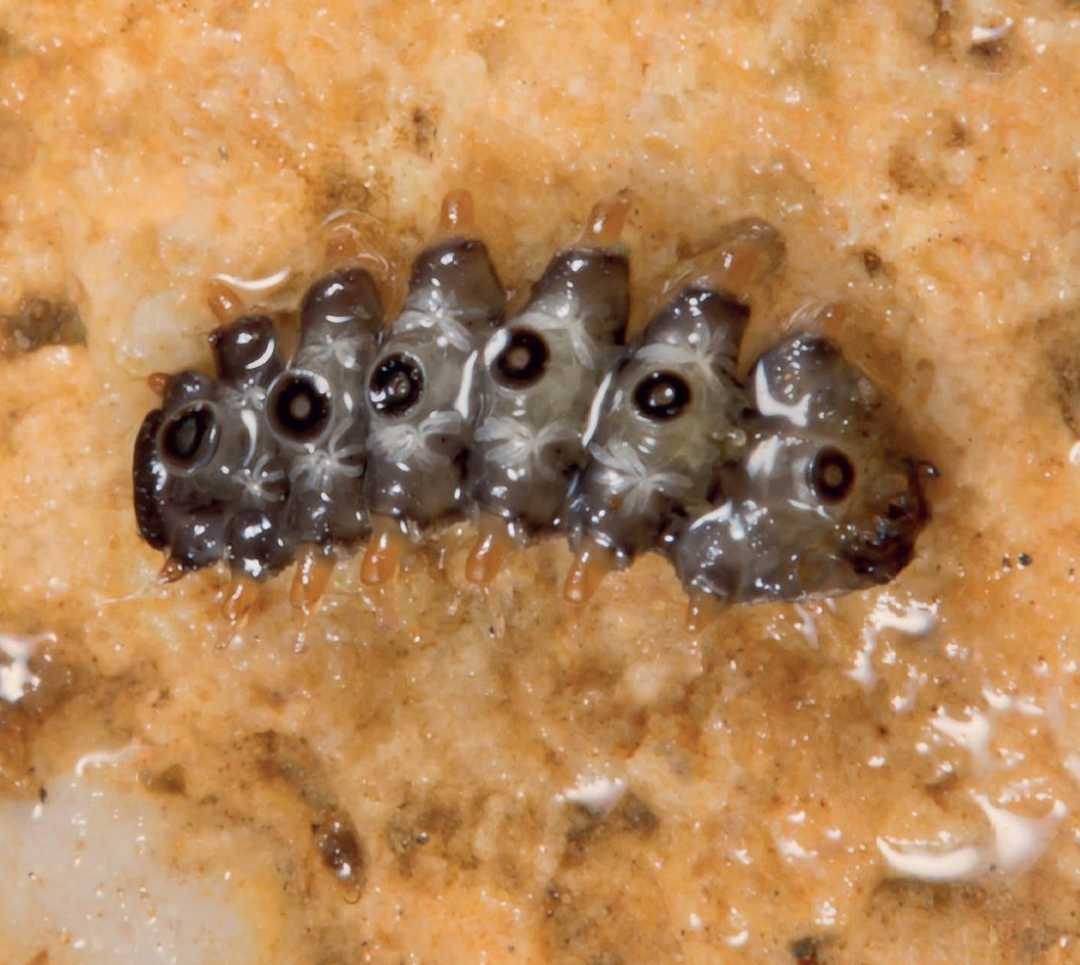
The Alien-Looking Insect of the Blephariceridae FamilyThe Alien-Looking Insect of the Blephariceridae FamilyMembers of the net-winged midge family (Blephariceridae) resemble extraterrestrial creatures, thriving in the turbulent waters of fast-flowing streams and waterfalls. Their larvae possess a remarkable adaptation: numerous suction cups on the ventral side of their bodies, allowing them to cling tenaciously to slippery rocks amid raging currents. This unique morphology enables them to withstand the force of rushing water while feeding.
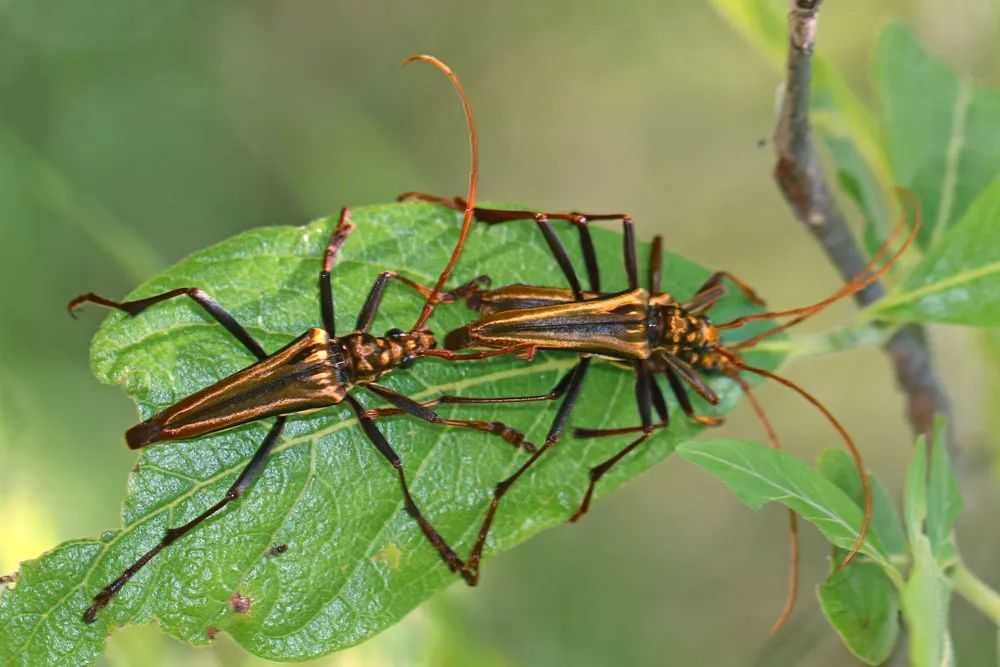
Longhorn Beetles: Elegant Forest Dwellers with a Dual ReputationLonghorn Beetles: Elegant Forest Dwellers with a Dual ReputationLonghorn beetles, belonging to the Cerambycidae family, are renowned for their striking appearance and elongated antennae, which often exceed the length of their bodies. With over 35,000 species worldwide, these insects are a common sight in forests and wooded areas, captivating onlookers with their intricate patterns and vibrant colors. Yet, beneath their aesthetic appeal lies a complex ecological role that marks them both as vital decomposers and significant agricultural pests.
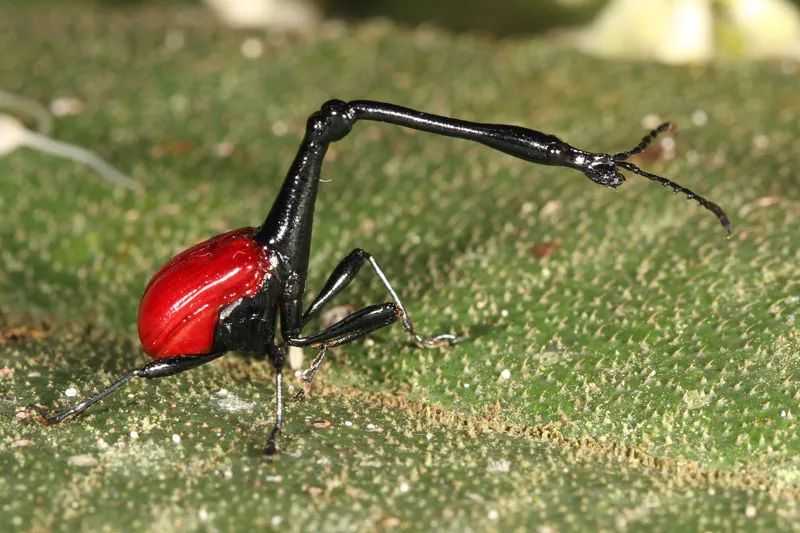
Weevils: Tiny Architects of the Insect World with a Probing PassionWeevils: Tiny Architects of the Insect World with a Probing PassionWeevils, members of the Curculionidae family, stand out among beetles for their distinctive snout-like rostrum and compact, often armored bodies. With over 97,000 species worldwide, these insects have evolved to inhabit nearly every ecosystem, from tropical rainforests to urban pantries. Their unassuming appearance belies a remarkable ability to adapt, making them both ecological contributors and occasional nuisances to human activities.
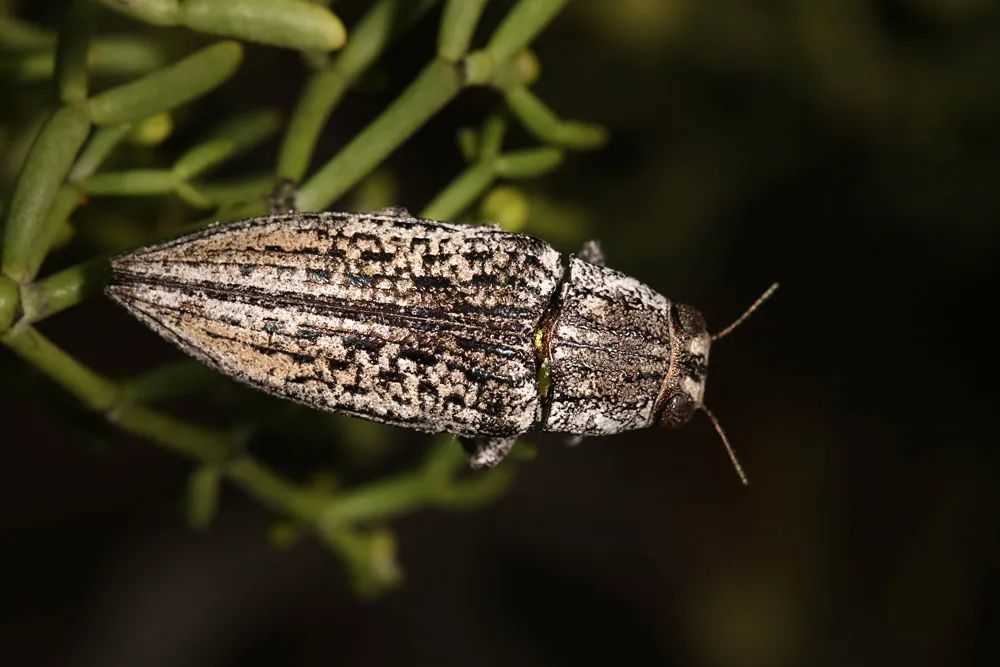
Jewel Beetles: Nature's Living Gems with Iridescent ArmorJewel Beetles: Nature's Living Gems with Iridescent ArmorJewel beetles, belonging to the family Buprestidae, dazzle with metallic hues that rival precious stones, earning them names like "jewel bugs" or "metallic wood-borers." Found across the globe, these beetles combine stunning aesthetics with a unique life cycle, captivating both entomologists and nature enthusiasts. Their elytra, often emerald green, sapphire blue, or coppery red, derive their brilliance from structural coloration—microscopic ridges that refract light.
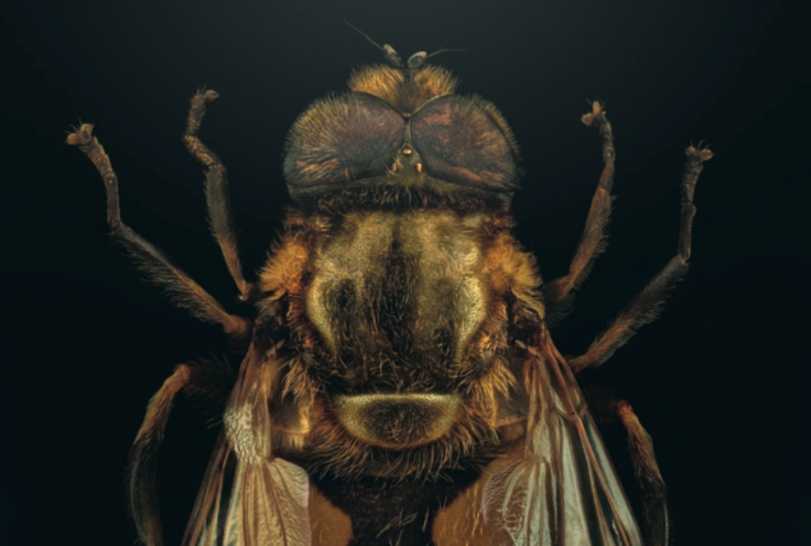
The Mysterious Decline of Blera fallax in North AmericaThe Mysterious Decline of Blera fallax in North AmericaOnce a common sight across the northern reaches of North America, the hoverfly species Blera fallax, also known as the pine hoverfly, has now nearly vanished from the region. This decline is not only a loss for the continent's biodiversity but also a cause for concern among entomologists and conservationists.
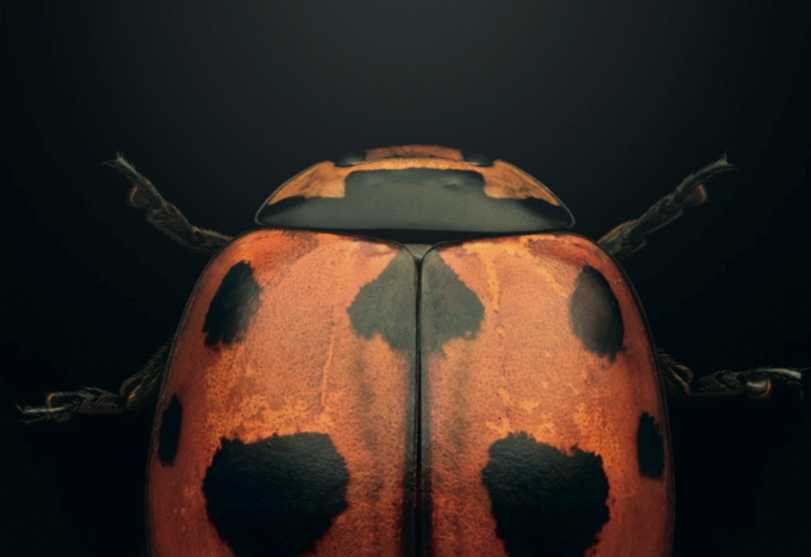
The Mysterious Disappearance of the Nine-Spotted LadybugThe Mysterious Disappearance of the Nine-Spotted LadybugThe nine-spotted ladybug, Coccinella novemnotata, once held a place of prominence across North America. In the United States, it was even designated as the official insect of New York State, symbolizing its significance. This species was once widespread throughout the US and Canada, playing a crucial role in the agricultural ecosystem. Famously, it was a voracious predator of aphids and other pest insects, acting as a natural form of pest control and helping farmers safeguard their crops without the heavy use of pesticides.
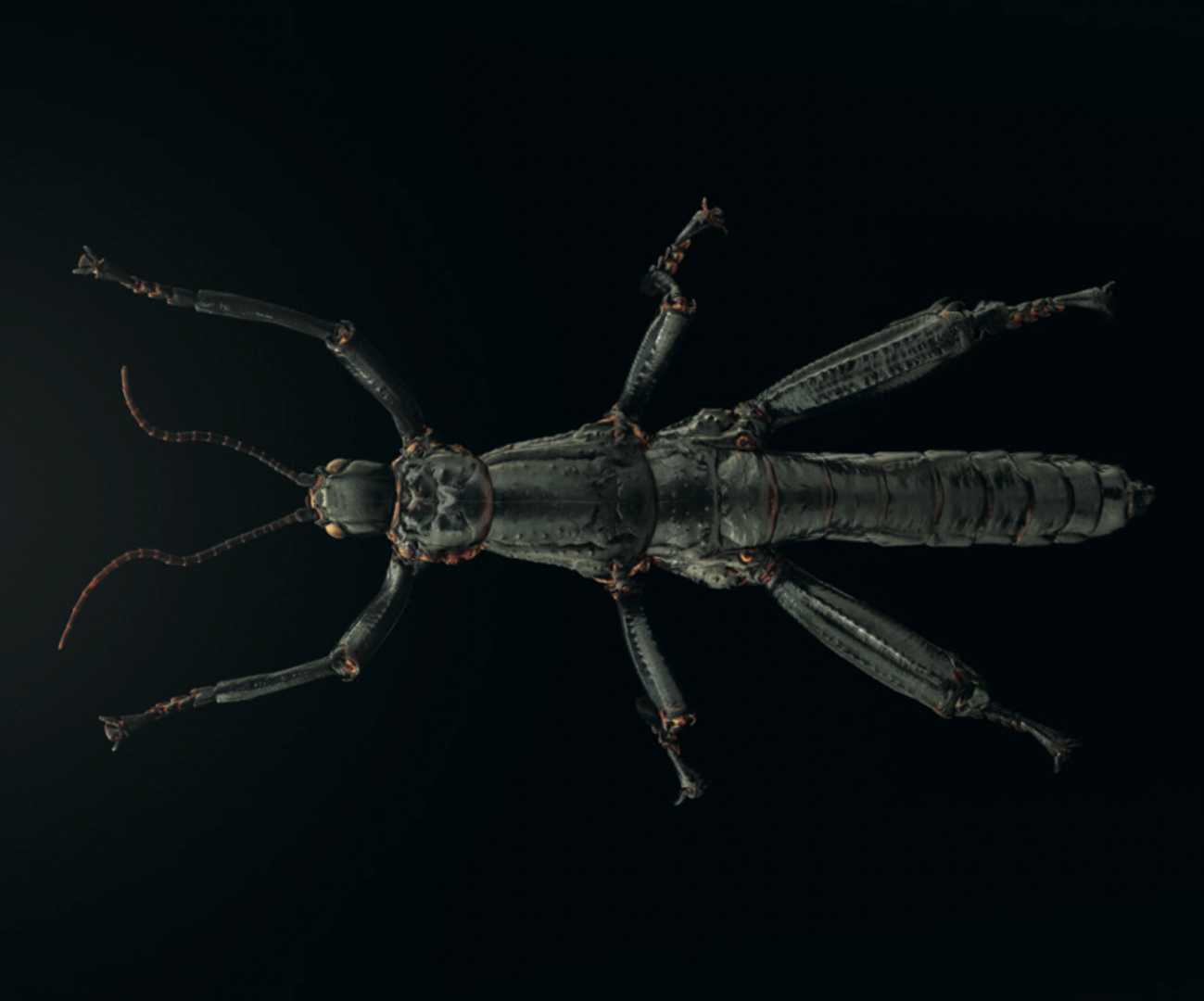
The Resilient Return of the Lord Howe Island Stick InsectThe Resilient Return of the Lord Howe Island Stick InsectThe Lord Howe Island stick insect, scientifically known as Dryococelus australis, is a remarkable insect that has captured the attention of the scientific community and nature enthusiasts alike. This species, often referred to as the "land lobster" due to its large size and robust appearance, has a unique and compelling story of near - extinction and subsequent rediscovery.
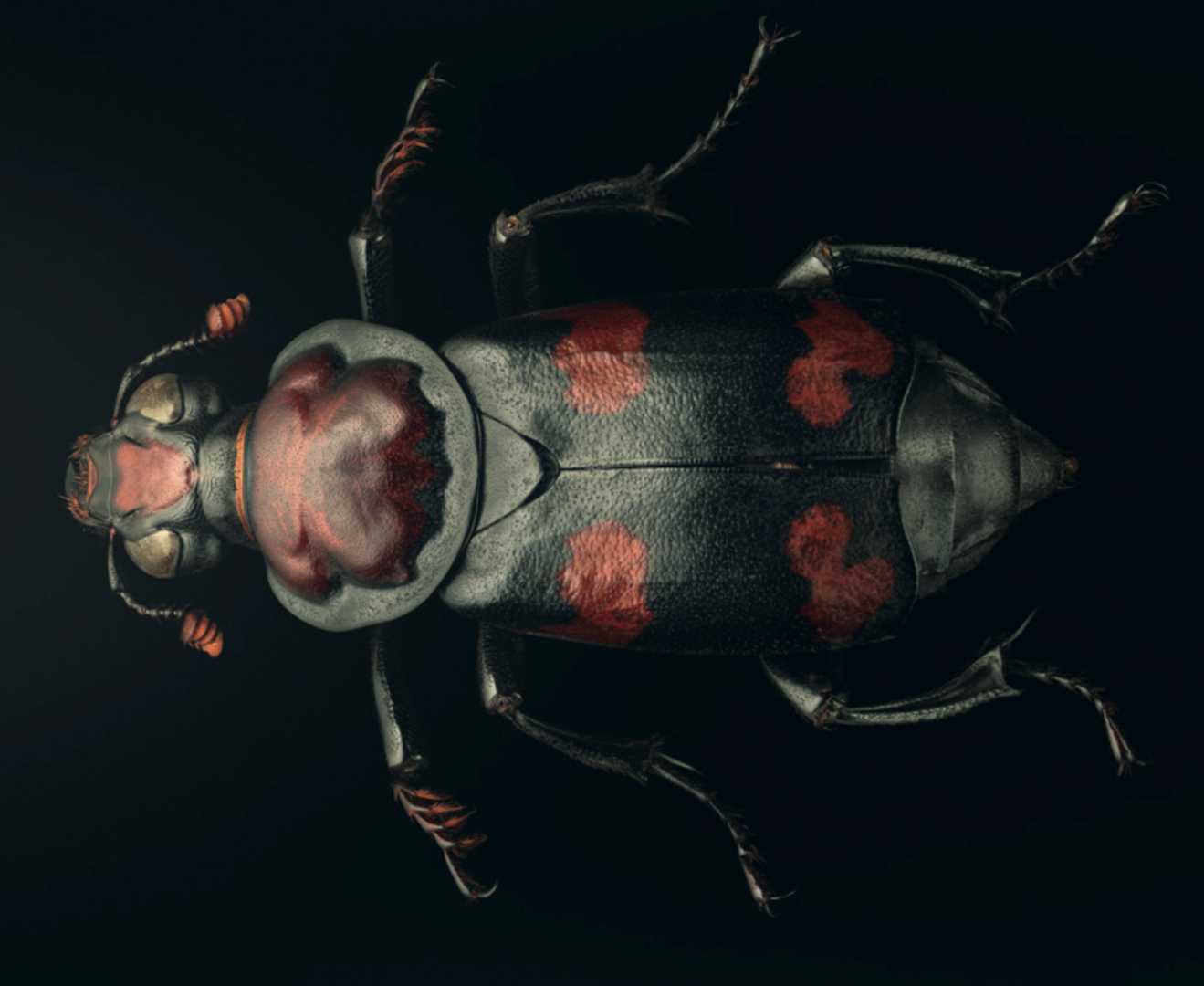
Mysterious Declines: American Burying Beetles in the East and European Yellow - Bordered HornetsMysterious Declines: American Burying Beetles in the East and European Yellow - Bordered HornetsIn the vast expanse of North America's eastern regions, the American burying beetle, a large and highly recognizable carrion beetle, was once a common sight. With its distinct black body adorned by orange - red patches on the elytra and pronotum, it played a crucial ecological role as nature's decomposer. These beetles, which can reach lengths of 25 - 45 mm, were known for their unique behavior of burying small animal carcasses, such as those of birds or rodents, to use as a food source for their offspring.
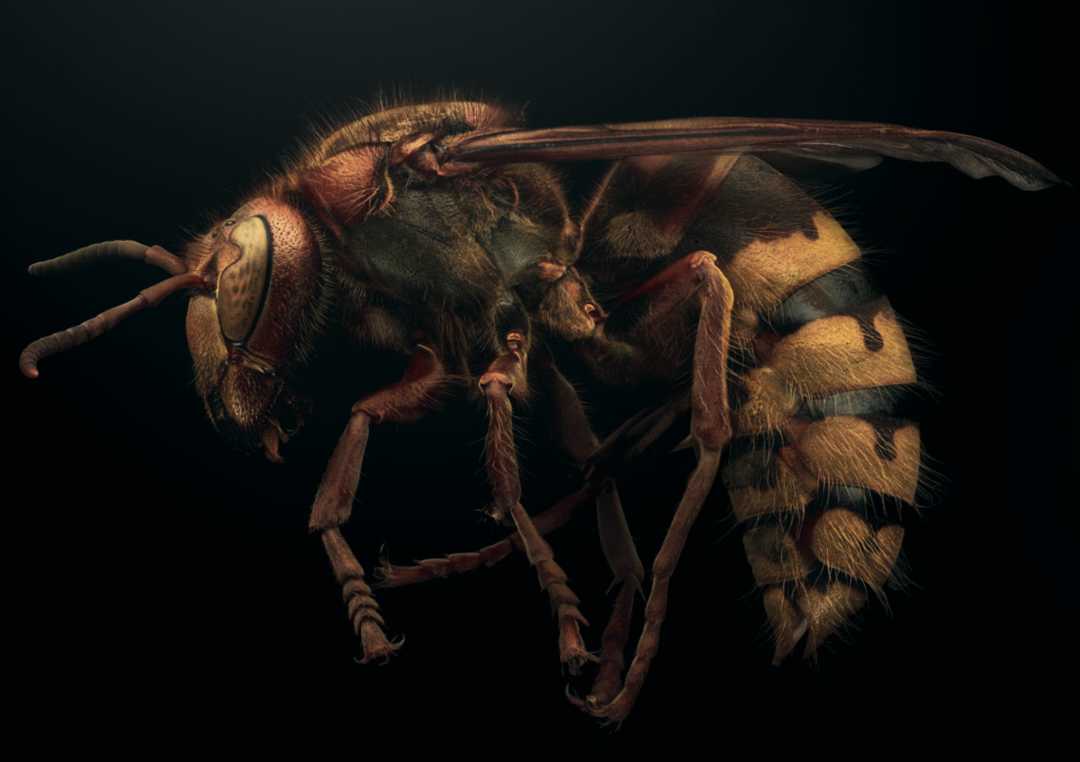
The Yellow - Bordered Hornet: A Wasp of Contrasting FortunesThe Yellow - Bordered Hornet: A Wasp of Contrasting FortunesThe yellow - bordered hornet, scientifically known as Vespa crabro, is a striking insect that commands attention with its size and distinct appearance. As the largest hornet species in Europe, it has long been a part of the region's ecosystems, but its recent decline in numbers has puzzled researchers.