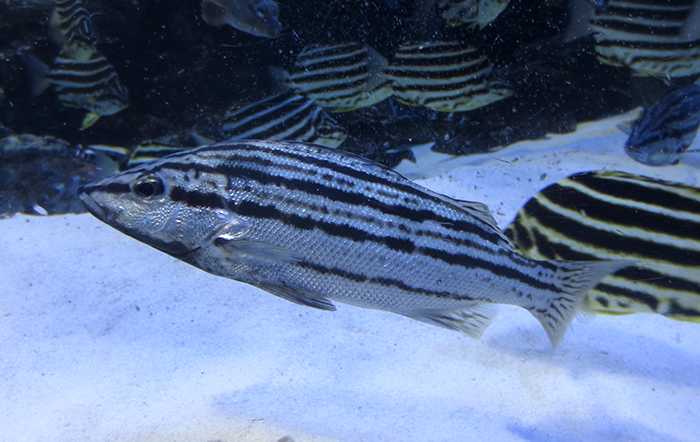
Rhynchopelates oxyrhynchus: The Sharpbeak Terapon of Asian Coastal SeasRhynchopelates oxyrhynchus: The Sharpbeak Terapon of Asian Coastal Seas
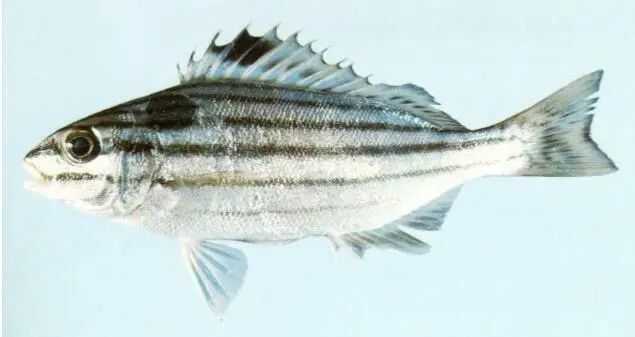
Pelates sexlineatus: The Six - Striped Grunter of Australian WatersPelates sexlineatus: The Six - Striped Grunter of Australian Waters
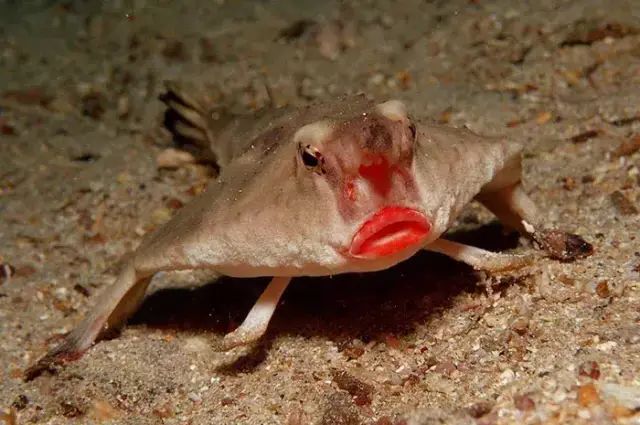
The Galapagos Walking Fish: A Species That 'Walks' on the Ocean Floor Instead of SwimmingThe Galapagos Walking Fish: A Species That 'Walks' on the Ocean Floor Instead of Swimming
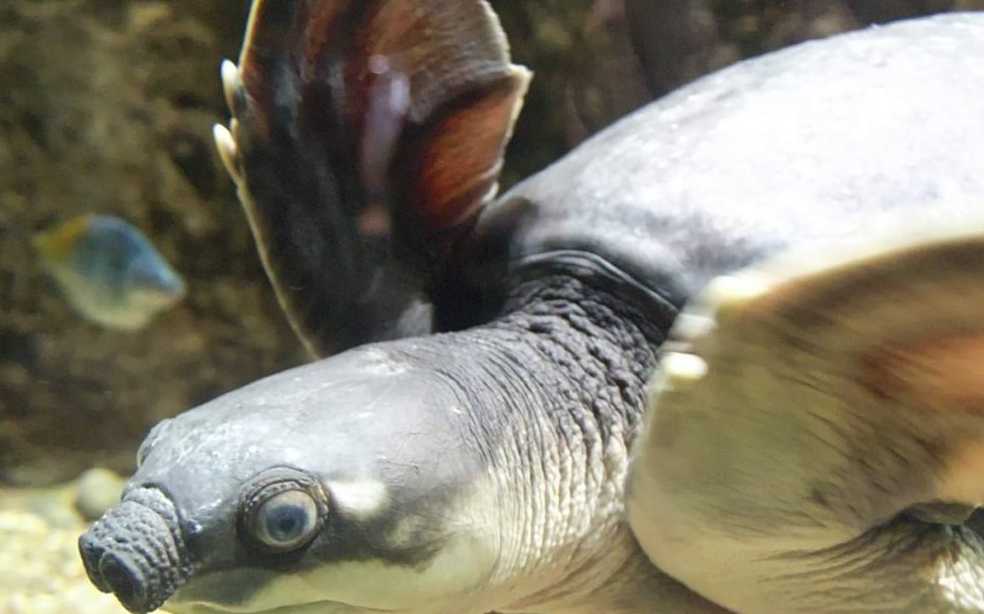
The Pig-Nosed Turtle: A Unique Reptile Named for Its Snout, Easy to Keep but Prone to IllnessThe Pig-Nosed Turtle: A Unique Reptile Named for Its Snout, Easy to Keep but Prone to Illness
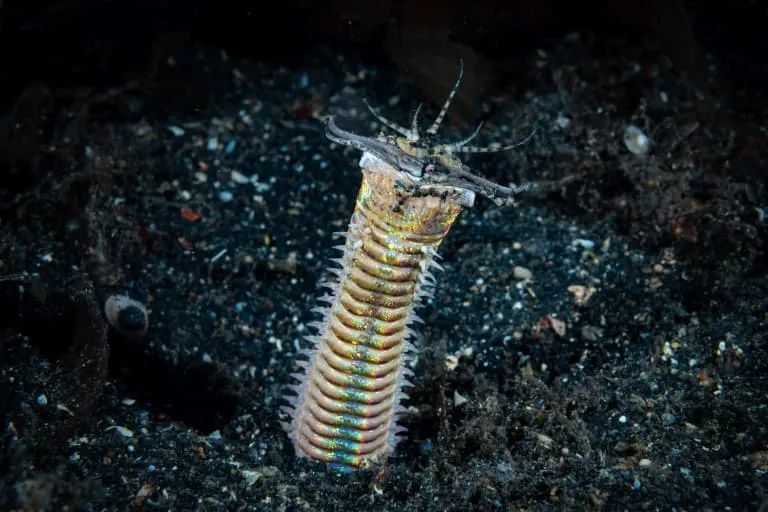
The Bobbit Worm: Nature’s Terrifying Underwater Predator Straight Out of a Sci-Fi MovieThe Bobbit Worm: Nature’s Terrifying Underwater Predator Straight Out of a Sci-Fi MovieOften described as the stuff of nightmares, the Bobbit worm (Eunice aphroditois) is a marine polychaete worm that has earned its reputation as one of the ocean’s most otherworldly creatures. With a body that can stretch up to 3 meters in length, this subterranean predator lurks in tropical and subtropical seafloors, blending scientific fascination with sheer terror.
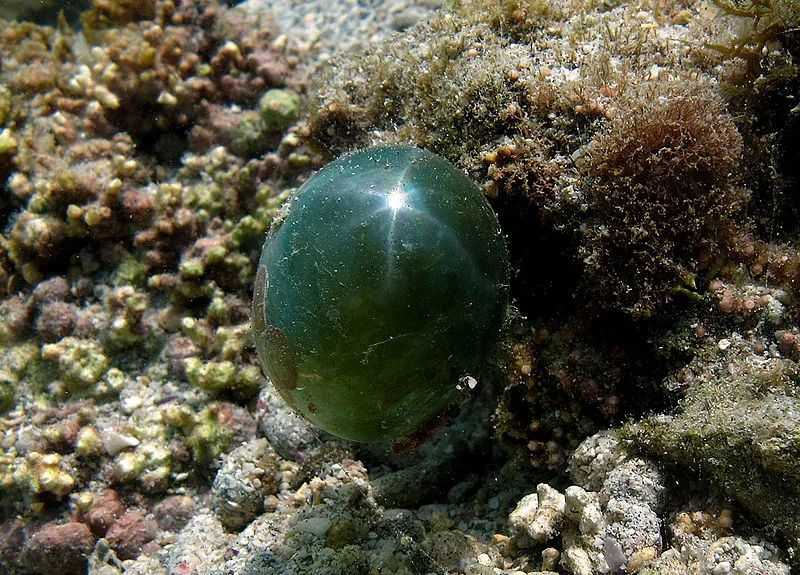
The Bubble Alga: Nature’s Giant Single-Celled Marvel Floating in Tropical SeasThe Bubble Alga: Nature’s Giant Single-Celled Marvel Floating in Tropical SeasKnown as the "bubble alga" or "sailor’s eyeball," Valonia ventricosa is a remarkable marine alga and one of the largest single-celled organisms on Earth. Thriving in tropical and subtropical oceans, this spherical green alga has fascinated biologists for its unique structure—each "bubble" is a single cell that can grow up to 5 centimeters in diameter, defying conventional notions of cellular size.
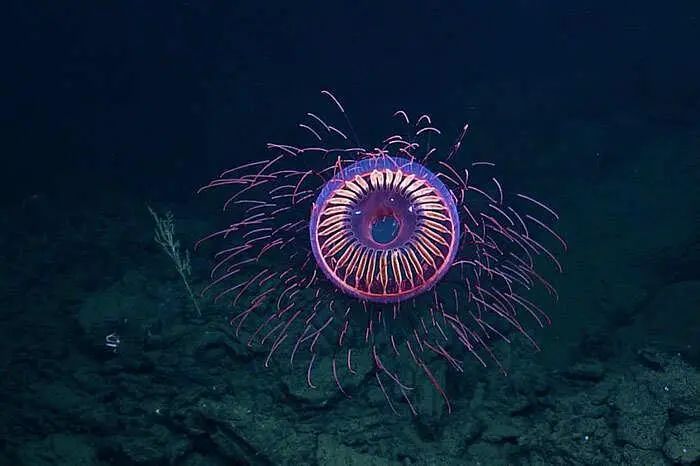
The Fireworks Jellyfish: Deep-Sea Marvel Illuminating 1,200–1,500 Meters Below the SurfaceThe Fireworks Jellyfish: Deep-Sea Marvel Illuminating 1,200–1,500 Meters Below the SurfaceDiscovered in the pitch-black abyssal zone, the fireworks jellyfish (Halitrephes maasi) earns its name from its spectacular bioluminescent display—vibrant orange and pink tentacles that explode like celestial pyrotechnics in the ocean’s darkest depths. Thriving between 1,200 and 1,500 meters, this gelatinous creature has captivated marine biologists with its otherworldly appearance and mysterious life cycle.
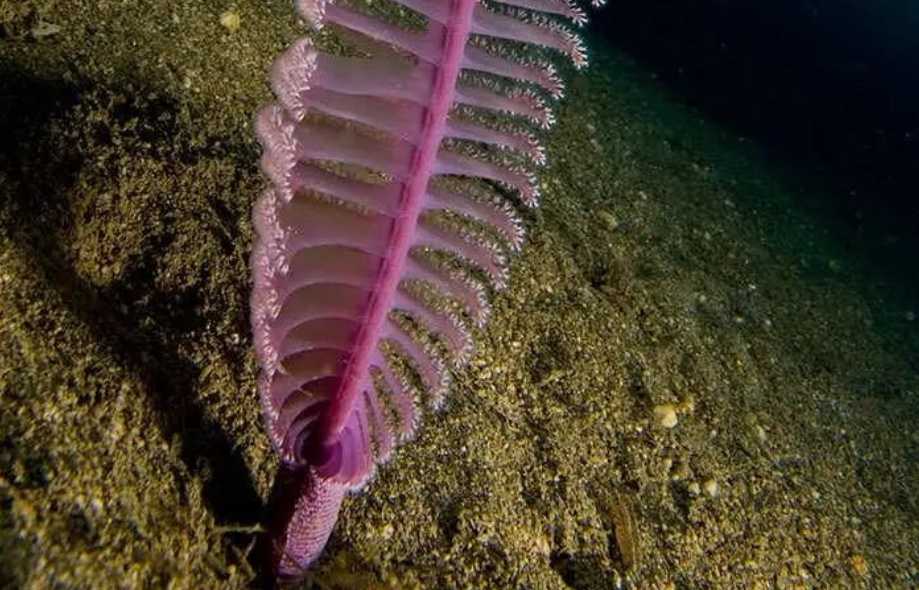
The Sea Pen: Ocean’s Feathery Colonial Wonder Filtering Plankton from the DepthsThe Sea Pen: Ocean’s Feathery Colonial Wonder Filtering Plankton from the DepthsRecognized for its striking resemblance to a quill pen, the sea pen is a colonial marine invertebrate that thrives in shallow to deep ocean waters. Composed of hundreds to thousands of polyps, these colonial organisms form feather-like structures, using their unique anatomy to capture plankton and thrive in diverse marine environments.
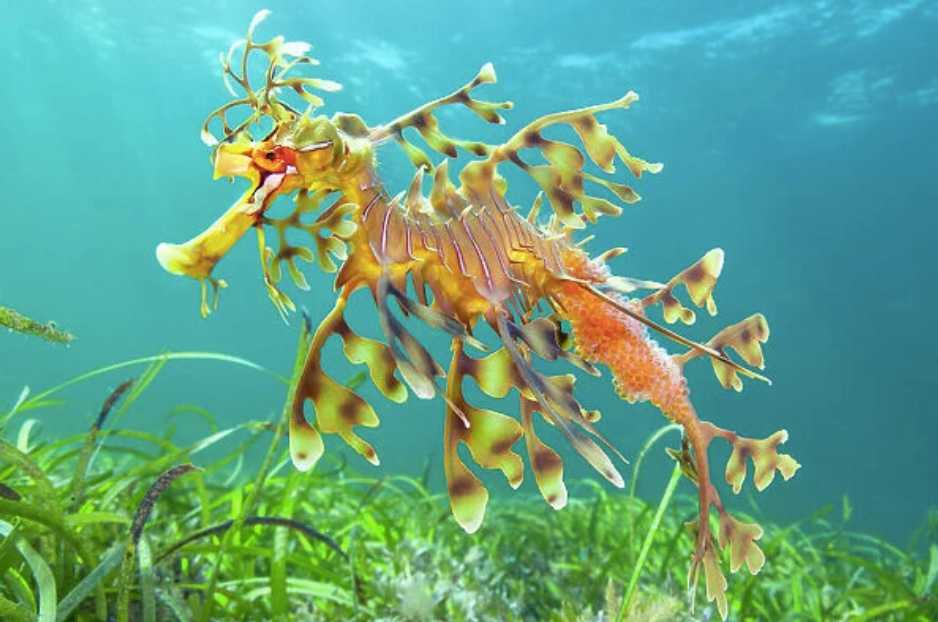
The Leafy Sea Dragon: Master of Marine Camouflage from Australia’s Coastal WatersThe Leafy Sea Dragon: Master of Marine Camouflage from Australia’s Coastal WatersBelonging to the genus Phycodurus within the seadragon family (Syngnathidae), the leafy sea dragon is a remarkable fish adapted to life along the southern and western coasts of Australia. Recognized for its elaborate leaf-like appendages, this species has evolved one of nature’s most extraordinary camouflage strategies, blending seamlessly with oceanic vegetation.
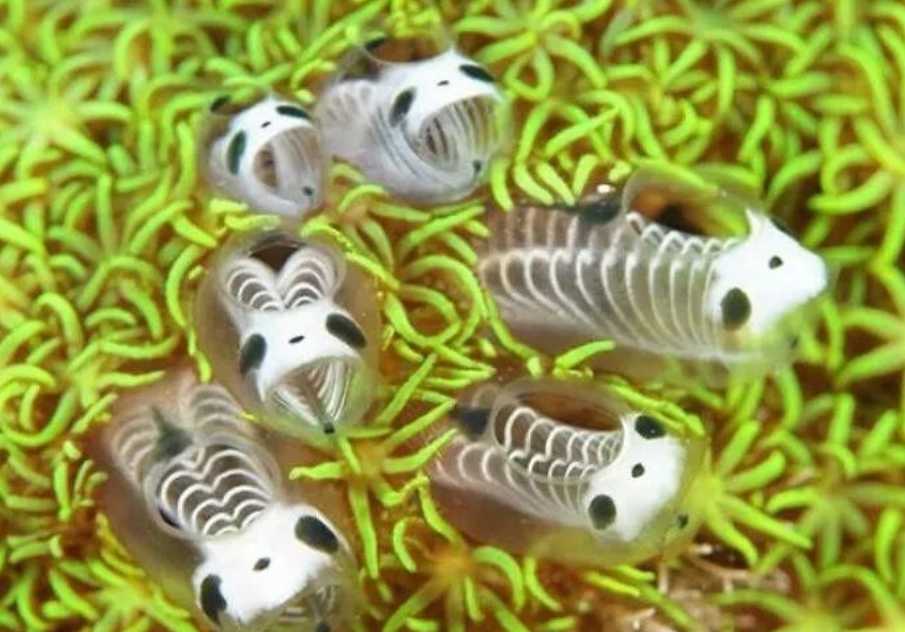
The Skeleton Panda Sea Squirt: A Quirky Marine MarvelThe Skeleton Panda Sea Squirt: A Quirky Marine MarvelThe skeleton panda sea squirt (Clavelina ossipandae) is a newly discovered marine species that has taken the scientific world by storm.
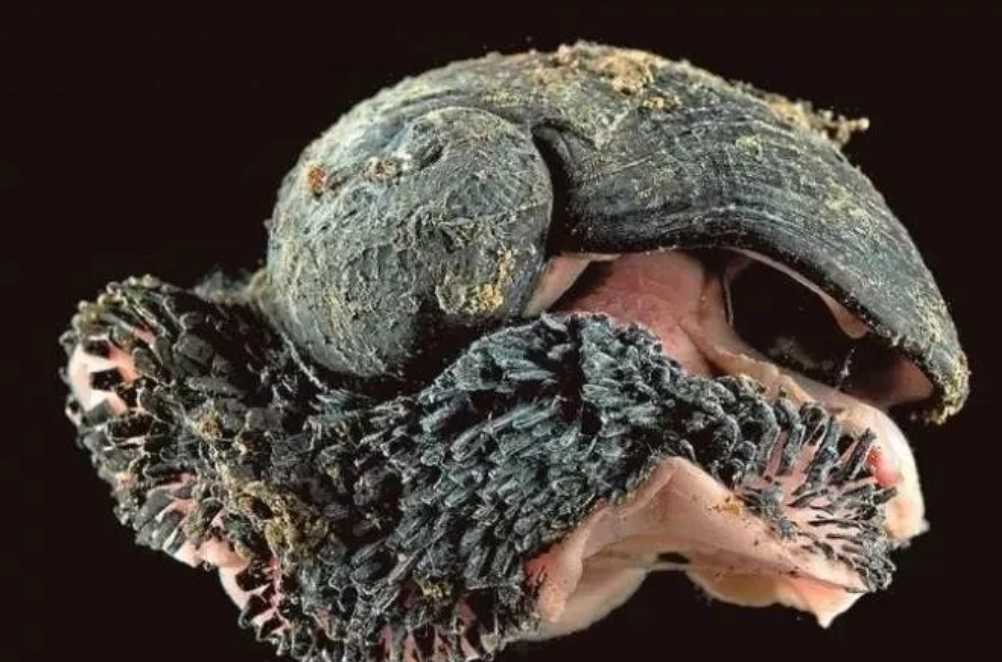
The Armor-Plated Scaly-Foot Snail: Deep-Sea Marvel of the Indian OceanThe Armor-Plated Scaly-Foot Snail: Deep-Sea Marvel of the Indian OceanLiving near hydrothermal vents in the Indian Ocean, the scaly-foot snail (Chrysomallon squamiferum) defies survival norms with its iron-clad armor and ability to withstand 350°C temperatures. This extraordinary gastropod, discovered in 2001 near the Kairei hydrothermal field, boasts a three-layered shell infused with iron sulfides, making it one of the few animals on Earth to incorporate metal into its exoskeleton. Its survival hinges on a tiny habitat—just two football fields in size—where it thrives in a world devoid of sunlight, relying on bacterial symbiosis for nutrition.